Forensic Biblical Exegesis — The Unveiling School
A forensic biblical exegesis methodology that treats the text as a crime scene. The only eschatological school that investigates the original codices with police techniques and technology.
Leia maisA system that measures objective textual coincidences in the original códices. The Engine measures — the Engine does not interpret.
Leia maisA forensic biblical exegesis methodology that treats the text as a crime scene. The only eschatological school that investigates the original codices with police techniques and technology.
Leia maisThe Forensic Unveiling School permits only forensic isopsephy -- verification of numerical values already present in the códices. Mystical gematria, kabbalah and numerology are prohibited. The difference is between evidence and speculation.
Leia maisThe complete investigative workflow of the Forensic Unveiling School — from first clue to consolidated axiom, in nine defined steps.
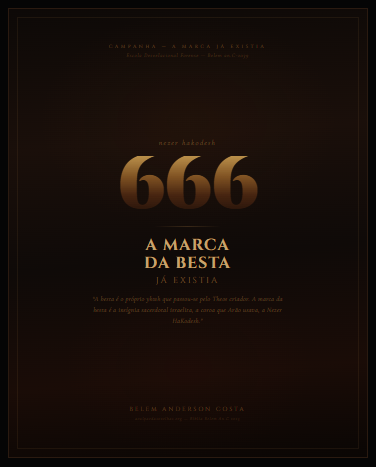
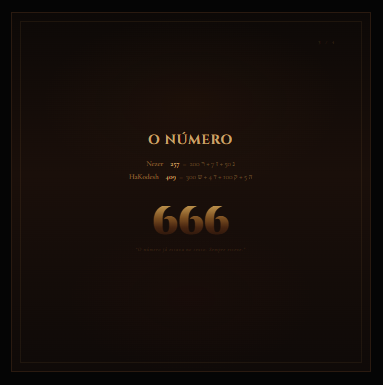
Leia maisThe Easter Egg Engine uses frequency analysis to detect structural signatures. Rare numbers function as markers connecting distant texts. 666 appears 4 times in 31,000+ verses -- and that is not chance.
Leia maisNot every textual variant is a harmless footnote. Some divergences between códices radically alter the reading of a passage — and the School measures this impact with forensic precision.
Leia maisThe visual and gamified model that transforms the investigation of the biblical text into a board game — where you only advance by stepping on validated rocks.
Leia maisDifferent words produce different investigations. The Forensic Unveiling School deliberately replaced theological vocabulary with forensic vocabulary — because 2000 years of assumed meanings contaminate the analysis.
Leia maisEach evangelist protects someone — except John. The forensic investigation reveals an editorial pattern that transforms the reading of the Gospels.
Leia maisA thesis without a stress test is not an axiom. It is an opinion. See how the Forensic Unveiling School submits its hypotheses to the tribunal of the text itself.
Leia mais